Summary
Recognizing when home care is not enough helps families transition to appropriate care before safety becomes a crisis. Here are the key signs that a senior may need a higher level of support than home care can provide.
- Physical safety concerns like unexplained bruises, falls, or difficulty managing stairs and daily tasks indicate your loved one may need more consistent oversight throughout the day and evening
- Medication management becomes increasingly complex with multiple prescriptions, and gaps between home health aide visits can lead to missed or doubled doses that compromise health and safety
- Social isolation persists despite regular care visits, affecting mood, confidence, and overall well-being when seniors spend most of their day alone without regular interaction or structured activities
- Family caregiver stress grows unsustainable as adult children manage schedules, coordinate care, and respond to emergencies while balancing work and personal responsibilities
- Rising home care hours and costs eventually exceed what community living provides, making senior living communities a more predictable and manageable long-term solution
Deciding how much help an aging parent needs is rarely simple. Many families begin with home care because it allows older adults to stay in familiar surroundings while receiving assistance with daily routines. Over time, though, families may start noticing signs home care is insufficient for keeping a loved one safe, socially connected, and comfortable.
Understanding when home care is not enough can help families make informed decisions before a crisis occurs. In Pittsburgh, many families eventually compare home care vs. personal care options as needs increase and daily routines become harder to manage alone.
1. Physical Safety Concerns Becomes More Frequent
One of the clearest aging parent safety concerns involves physical safety at home. Small issues can gradually become larger risks, especially when someone spends long stretches of time alone between visits. Some warning signs may include:
- Unexplained bruises, cuts, or minor burns
- Falls or close calls that go unreported
- Difficulty using stairs safely
- Forgotten appliances, unlocked doors, or missed meals
- Reduced mobility that makes everyday tasks harder
These changes often happen gradually, which can make them easy to overlook at first. Families may start by adding more home care hours or checking in more frequently, but ongoing safety concerns can eventually signal that a different level of daily oversight is needed.
For families comparing home care vs. personal care, communities like Overlook Green in Pittsburgh can provide a more consistent daily routine with access to team members at all hours, accessible living spaces, shared dining, and assistance with everyday tasks in a comfortable, community-focused setting.
2. Medication Management Becomes Complex
Another sign home care may no longer meet a loved one’s needs is difficulty managing medications safely and consistently. As prescriptions increase, keeping track of schedules, dosage changes, and refill dates can become overwhelming, especially for older adults living alone.
Families often notice warning signs such as missed doses, doubled doses, confusion about instructions, or medications left untouched. These situations can increase aging parent safety concerns and may lead families to question when home care is not enough for their loved one’s daily needs.
Home health aides may only be present during scheduled visits, which can leave gaps in oversight throughout the day or evening. For families comparing home care vs. personal care, a community setting may offer more consistency and reassurance.
At Overlook Green in Pittsburgh, residents in Personal Care and SHINE® Memory Care have access to team members throughout the day and night, along with individualized routines that can help reduce the stress and confusion often associated with medication management at home.
3. Social Isolation Despite Regular Health Aide Visits
Even with regular visits, many older adults spend most of the day alone. Over time, isolation can affect mood, confidence, and overall well-being.
Families may notice that a parent:
- Stops participating in favorite hobbies
- Rarely leaves the house
- Withdraws from conversations
- Appears anxious or emotionally distant
- Has fewer opportunities for regular interaction
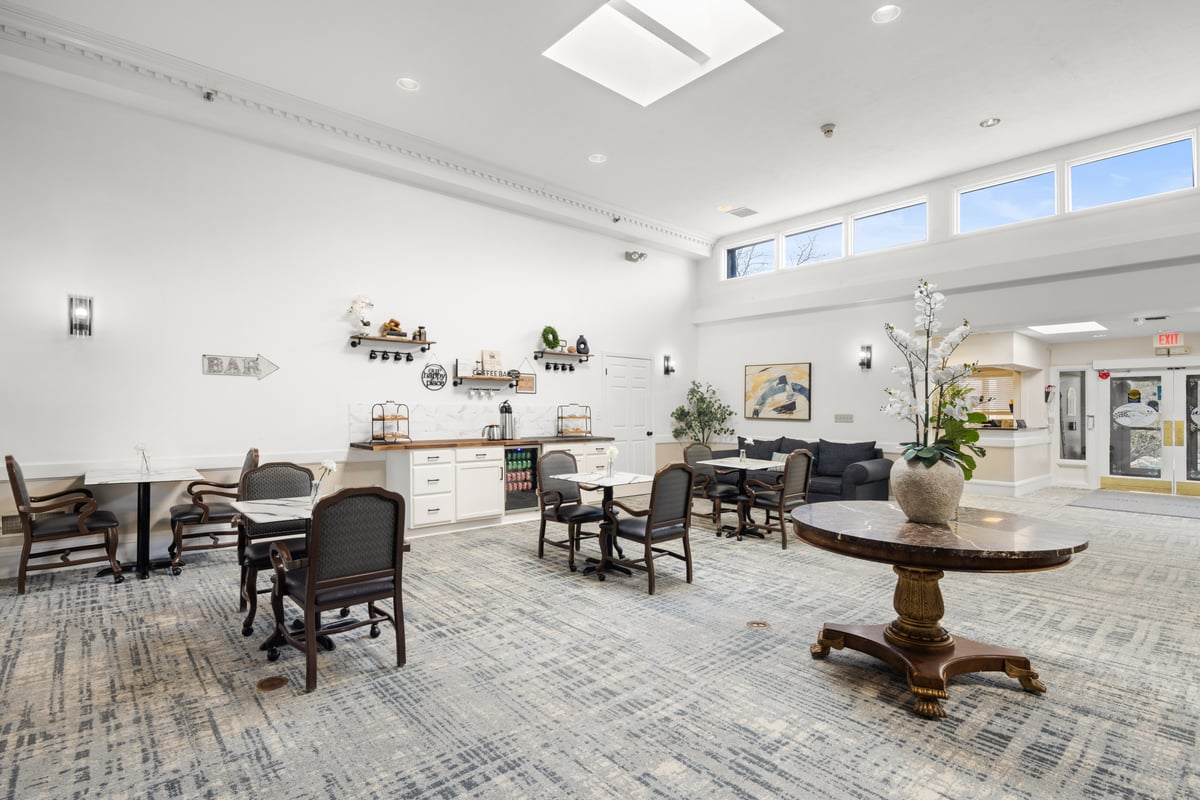
One reason families begin transitioning from home care to community living is the opportunity for more consistent connection, structure, and daily interaction throughout the day. Senior living communities can provide shared meals, social programs, comfortable gathering spaces, and routines that help reduce isolation while encouraging engagement at a comfortable pace.
Overlook Green in Pittsburgh residents in Personal Care and SHINE® Memory Care, for instance, can enjoy chef-prepared meals with neighbors, group programs, inviting common areas, and quiet spaces for relaxation. These daily opportunities for connection can help ease loneliness and provide families with added peace of mind when home care is no longer enough.
4. Increasing Stress for Family Members
Knowing when to stop home care can help prevent caregiving responsibilities from becoming overwhelming for family members. Adult children may begin managing schedules, filling overnight gaps, coordinating appointments, or responding to emergencies at all hours.
This added pressure can affect work, relationships, sleep, and overall health. Many people spend months trying to make home care continue working before realizing the arrangement is no longer sustainable.
When families compare home care vs. personal care, one major difference is consistency. Moving to a senior living community can provide dependable daily assistance while allowing family members to focus more on spending quality time together instead of managing logistics.
5. Home Care Hours Keep Increasing
A gradual increase in care hours needed is another common sign home care insufficient for long-term needs. What begins as occasional help can eventually grow into daily or overnight coverage.
Families often notice patterns such as:
- Increasing daytime home health aide hours
- Discussions about overnight assistance
- Rising monthly home care costs
- Constant schedule coordination
- Last-minute gaps when health aides call off
In many cases, around-the-clock home support becomes more expensive and harder to manage than community living. Personal care communities offer predictable monthly costs that may include meals, housekeeping, programs, and daily assistance in one setting.
Memory Changes Can Create Additional Safety Concerns
For some families, cognitive changes become the turning point in deciding when home care is not enough. Missed appointments, wandering concerns, confusion, or changes in judgment can create serious risks at home.
Memory loss can also affect routines that once felt manageable, including preparing meals, keeping up with hygiene, remembering important tasks, or recognizing unsafe situations. Families often notice increasing stress as they try to fill gaps between health aide visits while also balancing work and personal responsibilities.
Communities that offer memory care can provide more consistent structure, daily engagement, and a secure environment for older adults living with Alzheimer’s disease or other forms of dementia. Predictable routines and familiar surroundings may help reduce confusion while creating more opportunities for comfort and connection throughout the day.
At Overlook Green in Pittsburgh, SHINE® Memory Care provides a personalized approach focused on daily engagement, structured routines, and individualized support for residents living with memory loss. Residents also benefit from comfortable shared spaces, enriching programs, and dedicated team members available throughout the day and night.
Making the Transition with Confidence
Recognizing aging parent safety concerns early can help families avoid emergency decisions later. While transitioning from home care may feel emotional at first, many families find that a supportive senior living community offers greater peace of mind, more social connection, and a safer daily routine.
Talking openly about when to stop home care, visiting communities together, and exploring available options can make the transition feel more manageable for everyone involved.
Families researching when home care is not enough often discover that a community setting provides both reassurance and a stronger sense of connection for their loved one.
Learn more about Overlook Green’s Personal Care and Memory Care lifestyle options in Pittsburgh by exploring the community’s amenities and daily programs, or schedule a personal tour today.