Summary
Long-distance caregiving stress affects countless adult children balancing their own lives while worrying about a parent's safety from afar. Understanding the emotional, financial, and practical challenges of remote care can help families make informed decisions about support options.
- The constant worry and guilt of managing a parent's care from hundreds of miles away takes a real emotional toll, compounded by missed appointments and the feeling of not doing enough
- Conflicting information about a parent's condition and the inability to observe daily routines make it difficult to recognize warning signs like missed medications, weight loss, or safety concerns
- Out-of-state caregiving involves significant hidden costs, including frequent travel, hired services, unpaid time off work, and countless hours spent on phone calls and paperwork
- Professional care communities can ease long-distance caregiving stress by providing daily oversight, medication management, meals, and social connection that families struggle to coordinate remotely
- Exploring care options proactively allows families to shift from managing logistics to enjoying meaningful visits and conversations with their loved ones
Managing the care of an aging parent from hundreds or thousands of miles away creates challenges many families quietly carry. The emotional weight of long-distance caregiving stress often goes unrecognized, yet it affects countless adult children balancing their own lives while worrying about a parent's safety. If your family is navigating this from outside Pittsburgh, Overlook Green is one option worth exploring.
The Constant Weight of Worry and Guilt
When you live far from an aging parent, worry becomes a constant companion. You wonder whether they remembered their medication or ate a proper meal. You think about whether help could reach them quickly if they fell. You listen closely during phone calls, trying to hear if they sound tired or confused.
The guilt that comes with caring for an aging parent far away runs deep. Many adult children feel they should be doing more, even while juggling jobs and families. This guilt surfaces during holidays they can't attend, appointments they miss, or when siblings nearby can visit more easily. The cycle of worry, guilt, and frustration takes a real toll on daily life.
Managing Parent Care from a Distance Creates Uncertainty
Making decisions for a parent you can't see regularly presents real challenges. Conflicting reports about a parent's condition can leave families unsure of the right course of action, and phone calls rarely reveal the full picture. This makes it hard to know when additional support is truly needed.
That uncertainty extends to financial decisions, home maintenance, and social concerns. Without observing daily routines, families may miss subtle warning signs. A few signals worth watching for during calls or visits:
- Unopened mail or unpaid bills piling up
- Weight loss or an empty refrigerator
- Missed medications or confusion about dosages
- A home that's less tidy than usual, or new dents on the car
Remote caregiving challenges multiply when families must coordinate with healthcare providers, arrange services, or respond to emergencies while physically unable to be there. Each decision feels heavier from a distance.
Financial and Practical Strain Adds to the Burden
The out of state caregiving burden includes real costs that many families don't anticipate. A few of the most common:
- Frequent flights or long drives to check in
- Local help or services hired at a distance, often at a premium
- Unpaid time off work for visits or emergencies
- Hours spent on calls, paperwork, and research outside the workday
This invisible labor cuts into personal time, and the mental energy required to manage it all while keeping up a household creates exhaustion that's hard for others to understand.
Social Isolation Affects Both Generations
Distance creates isolation on both sides. A parent may feel forgotten or worry about being a burden, while the adult child feels cut off from their care. Family gatherings can turn stressful when questions about a parent's care come up, straining relationships that should offer support.
Many adult children dealing with long distance older adult care guilt find that friends and colleagues who haven't lived this can't fully relate. That gap only deepens the stress.
Finding Solutions That Ease the Emotional Burden
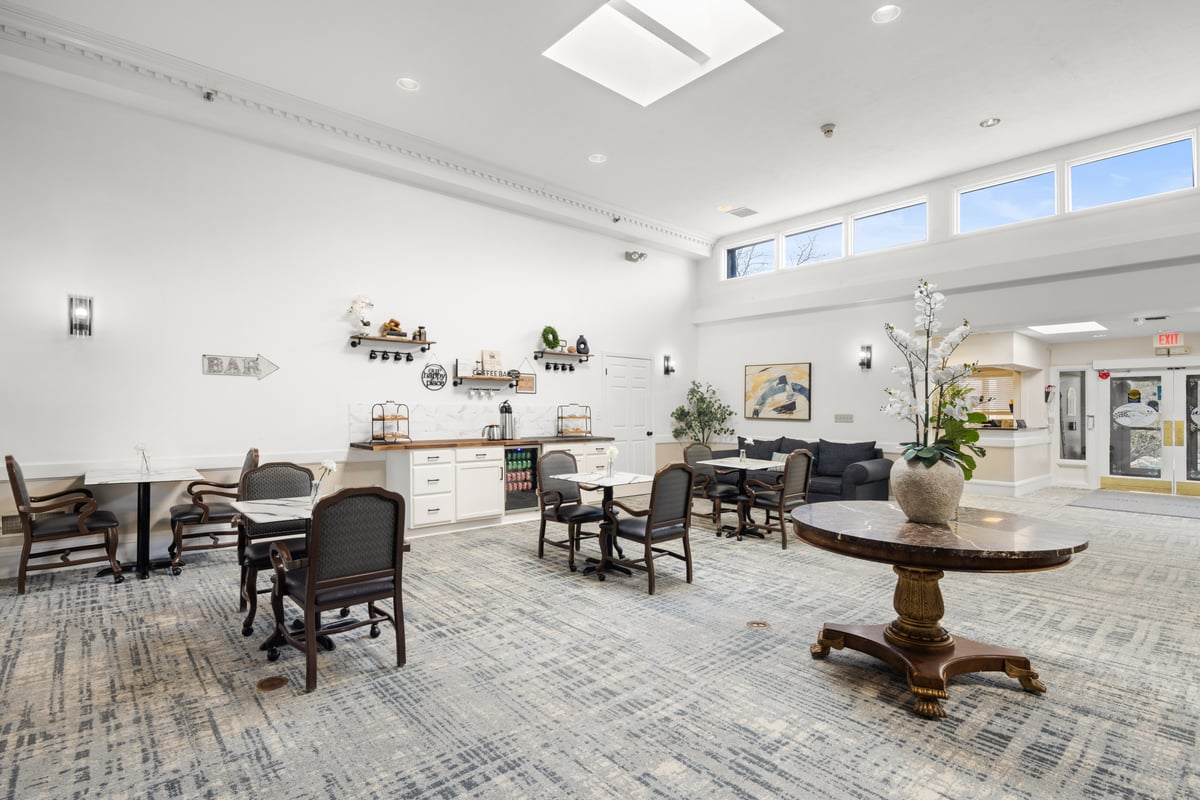
Professional care communities offer a meaningful way to address many of these challenges. At Overlook Green, Personal Care gives families a level of daily oversight that's hard to replicate from far away. A few ways the community helps close that gap:
- Trained associates who check in with residents daily
- Medication management and coordination with healthcare providers
- Chef-prepared meals served three times a day
- Weekly housekeeping and scheduled transportation
For parents facing memory-related changes, SHINE® Memory Care offers a program built around dementia support and research-based engagement.
When a parent settles into a community, families can shift from managing logistics to enjoying visits again. A full calendar of senior living programs means daily needs are covered, so conversations can focus on connection instead of coordination.
Taking Action Reduces Stress and Guilt
Acknowledging the emotional toll matters but taking action brings real relief. Exploring care options lets a family make proactive decisions instead of waiting for a crisis, and touring a community can restore a sense of control.
Frequently Asked Questions
How do we know when it's time to look at personal care instead of managing care ourselves from a distance? Repeated missed medications, unexplained weight loss, or safety incidents are common signs it's time to explore additional support.
Can our family stay closely involved even if we live out of state? Yes. Regular updates, video calls, and scheduled visits keep families connected to daily life at the community.
What if my parent needs memory care instead of personal care? Overlook Green's SHINE® Memory Care program offers a secure, specialized setting for residents living with dementia, with support built around their specific needs.
Many families find that moving a parent to a community with consistent support and social connection improves quality of life for everyone involved, easing the long-distance caregiving stress that's weighed on them for so long. To see Overlook Green for yourself, schedule a tour and take the next step toward peace of mind.