When you are looking for specialized support for a loved one living with dementia or Alzheimer’s, it helps to understand how purposeful engagement can make a difference. Structured memory care programs offer more than simple entertainment. They create meaningful ways to support cognitive health, emotional well-being, and overall quality of life.
Overlook Green in Pittsburgh, PA thoughtfully designs programs to meet residents where they are. In our Personal Care and SHINE® Memory Care setting, we focus on honoring each person’s abilities. We also offer the right level of cognitive stimulation and connection throughout the day.
How Cognitive Programs for Seniors Support Brain Health
Cognitive activities for seniors engage different parts of the brain. This helps maintain neural pathways and may slow cognitive decline over time. Research continues to show that consistent mental stimulation supports stronger cognitive function in comparison to passive routines alone.
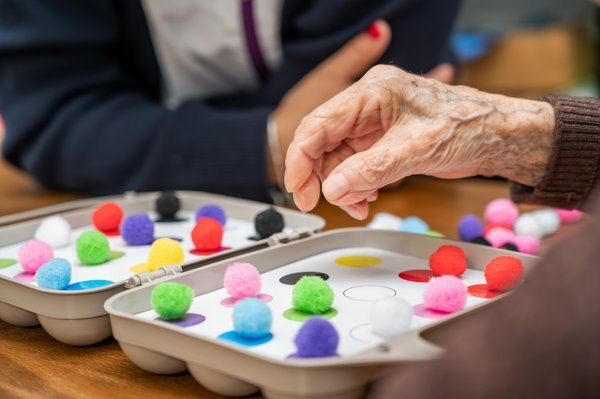
Some effective cognitive stimulation activities for seniors include sorting objects by color or category and completing puzzles that match current ability levels. Participating in reminiscence therapy can help activate long-term memories. Word-based games can also help stimulate language centers, offering both challenge and enjoyment.
Overlook Green naturally weaves these types of brain stimulating activities for seniors into daily routines. The goal is not complexity, but consistency. When programs feel achievable, residents are more likely to stay engaged and experience a sense of accomplishment.
Types of Meaningful Programs That Make a Difference
Strong memory care programming supports the whole person. This includes cognitive, physical, social, and emotional well-being. At a community like Overlook Green, that often means offering a mix of structured and flexible programs throughout the day.
Examples of memory care activities may include:
- Memory boxes filled with personal mementos to spark recognition and comfort
- Cooking demonstrations that engage the senses of smell, touch, and taste
- Art sessions that encourage creative expression without pressure
- Gentle movement programs like chair yoga or guided walks
- Music sessions that tap into familiar songs and long-term memory
Social connection is just as important. Group programs like sing-alongs, pet visits, and small gatherings help residents stay connected with others. Familiar routines including folding laundry or setting tables can also provide a sense of purpose and comfort.
Personalized Programming for Individual Interests
The most effective cognitive programs for seniors are rooted in personal history. Each resident brings a lifetime of experiences, preferences, and interests. Building on those familiar connections often leads to stronger engagement.
For example, someone who once enjoyed teaching may take part in reading sessions, while a lifelong gardener might enjoy tending to plants or arranging flowers. These small but meaningful moments help reinforce identity and create a sense of familiarity.
Team members at Overlook Green take time to learn each resident’s background. Conversations with families help shape personalized programs that feel natural and engaging. This approach often leads to improved mood, deeper participation, and more meaningful daily experiences.
Memory Games and Cognitive Exercises
Memory games for seniors in memory care settings are supportive rather than overwhelming. The focus is on building confidence while gently encouraging cognitive engagement.
Simple matching games can support visual recognition and recall, while sensory-based experiences using textured objects help stimulate tactile memory. Music-based exercises are especially effective, as musical memory often remains strong even as other abilities change.
Technology can also play a role. Easy-to-use tablets may offer adaptive games that adjust to each person’s ability level. Reminiscence sessions, where residents share stories and memories, remain one of the most meaningful cognitive stimulation activities for seniors. This is because they offer both mental engagement and social connection.
The Role of Routine and Structure
Consistency plays an important role in memory care. Predictable daily routines help reduce confusion and anxiety, allowing residents to feel more comfortable and confident in their environment.
A typical day might include:
- Morning movement or light exercise
- Midday social or cognitive programs
- Afternoon relaxation or creative time
- Evening wind-down programs
Overlook Green thoughtfully schedules programming to match natural energy levels. More engaging programs take place when residents are most alert, while quieter moments add a chance for rest and reflection. This balance helps create a steady, reassuring rhythm each day.
Supporting Families Through Comprehensive Programs
Memory care programs support not only residents, but also their families. Education and communication help families feel more confident and connected throughout the journey.
Many communities offer guidance on communication strategies, insights into disease progression, and connections to local resources. Regular updates from team members also help families stay informed about their loved one’s day-to-day experiences.
This collaborative approach helps families at Overlook Green focus on meaningful moments. Hearing about a loved one’s participation in memory care activities or a favorite music session can offer reassurance and strengthen connection, even from a distance.
Find compassionate care that meets your loved one's needs at Overlook Green. Schedule a personalized tour to learn how we can support your family.